Trivia about the soft drinks that goes with the flatbread rolls
In this article, we take a closer look at soft drinks in kiosks, a natural complement to the modern flatbread roll.
First, a bit of history...
Through groundbreaking work in 1771, Torbern Bergman, also known as the "father of Swedish soft drinks," managed to introduce carbonation to mineral water and subsequently established a mineral water factory in 1776. This innovative discovery set the stage for a fascinating journey into the world of soft drinks in Sweden.
Built on this fundamental innovation, chemist Jöns Jakob Berzelius, also known as the "father of Swedish chemistry," boldly experimented with mixtures of carbonated water, spice extracts, juices, and wine to give Medevi Health Spring water a flavor. This pioneering work paved the way for the development of the Swedish soft drink industry.
During the early stages of Swedish soft drinks, pharmacists often produced the drinks. Later, breweries took over production, a shift strongly influenced by the alcohol prohibition introduced in the early 1900s. The prohibition led to an explosive demand for soft drinks, while beer demand plummeted virtually overnight.
After the 1962 soft drink reform and kiosks made room for a broader selection, the luxury of soft drinks became widely accessible to the general public, and it eventually became commonplace to indulge in a bit of soft drink luxury with meals.
Kiosklyxens historia
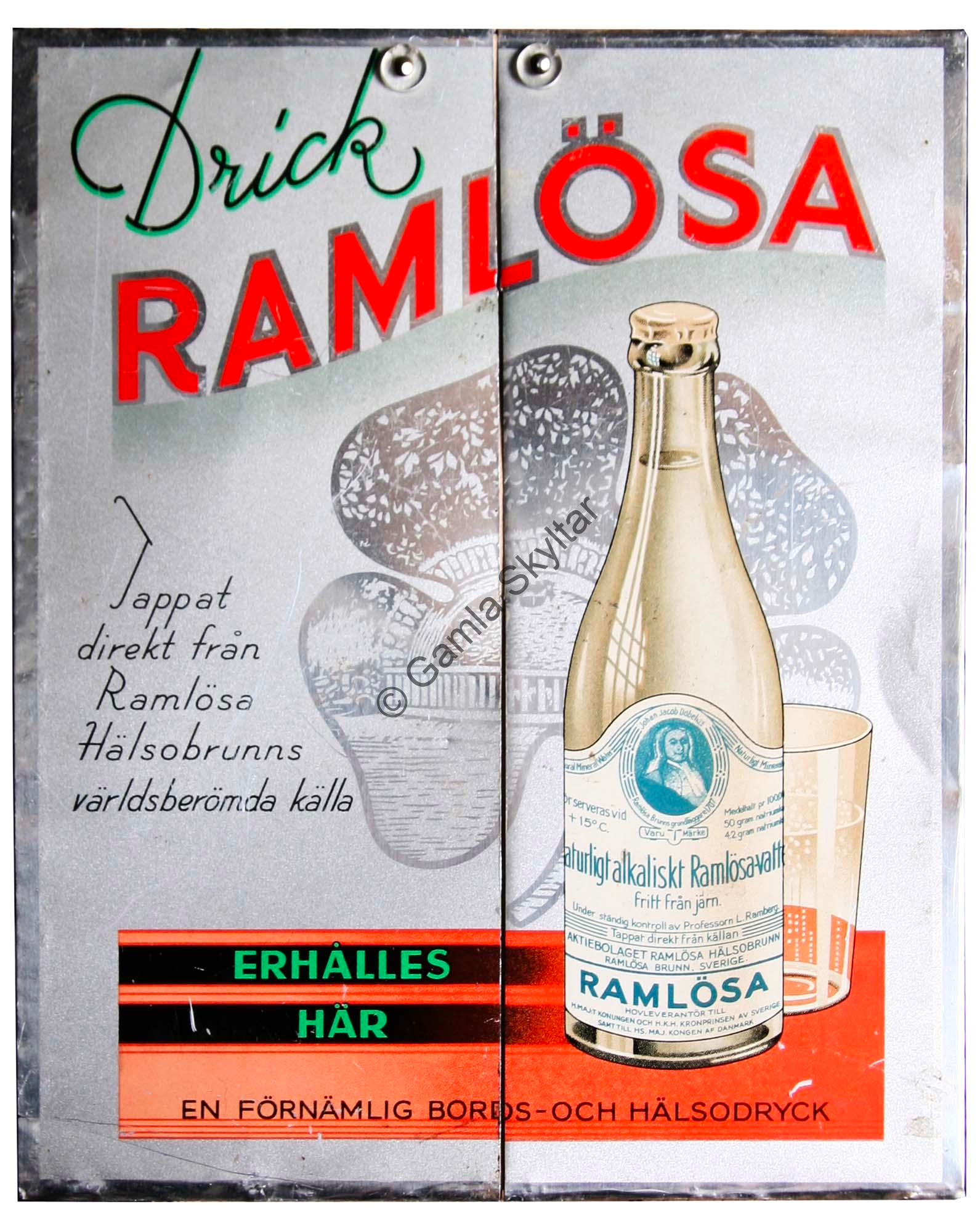
Ramlösa
1906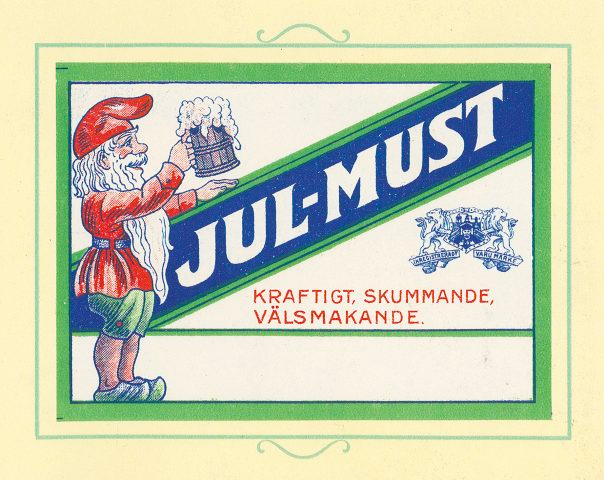
Julmust
1910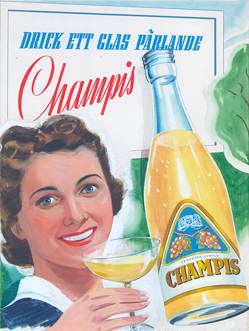
Champis
1910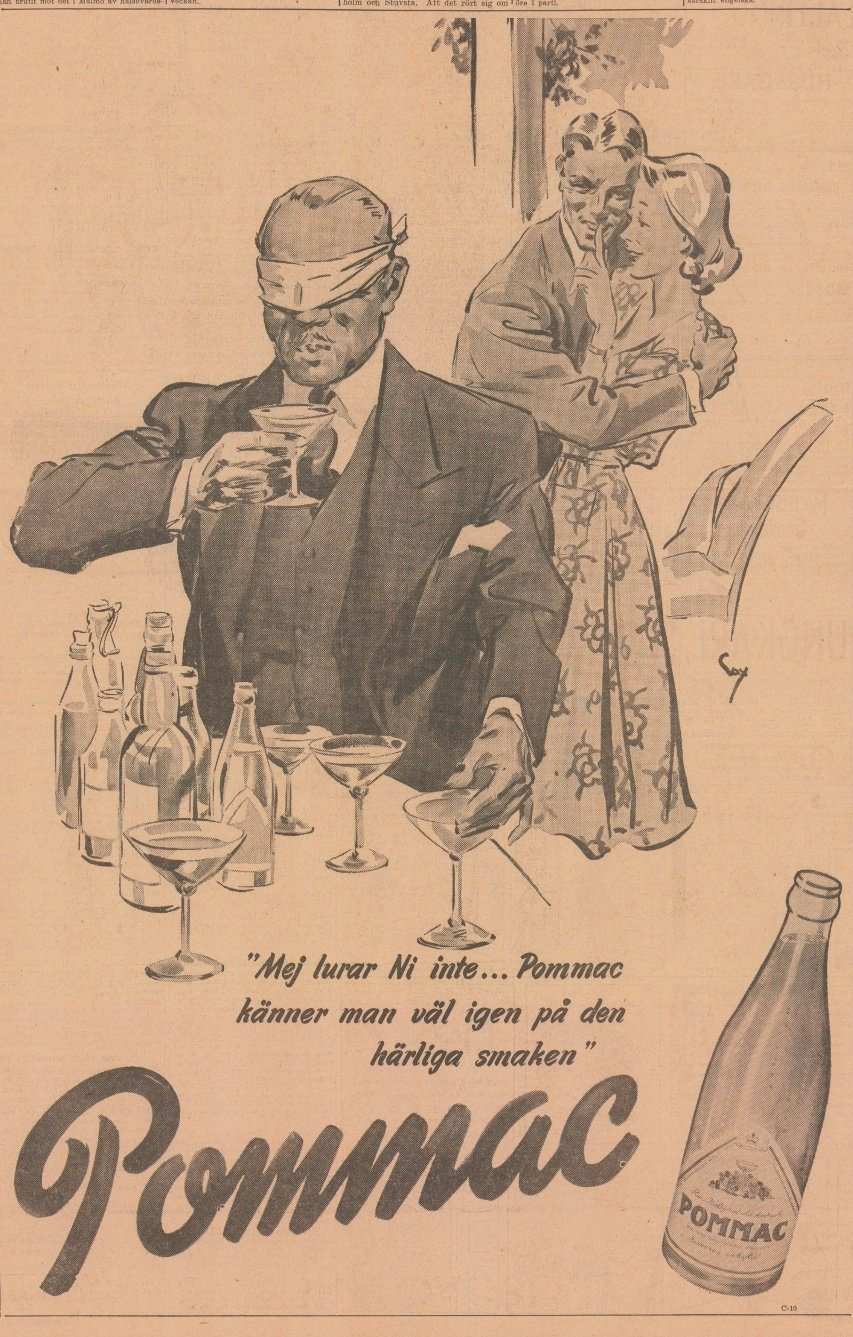
Pommac
1919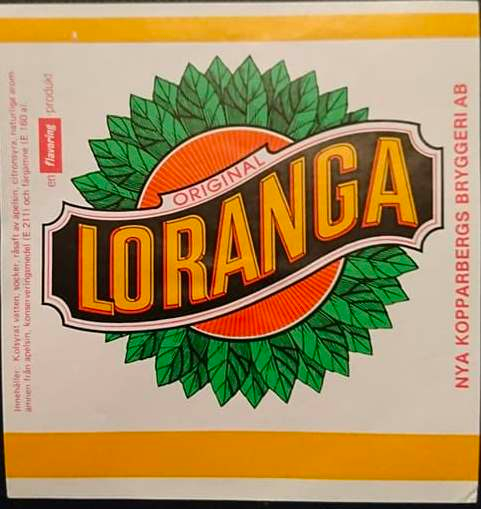
Loranga
1934
Trocadero
1953
Cuba-Cola
1953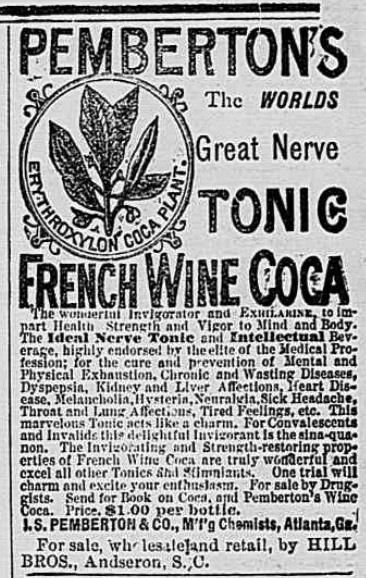
Coca-Cola
1953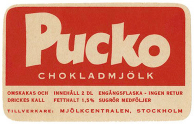
Pucko
1954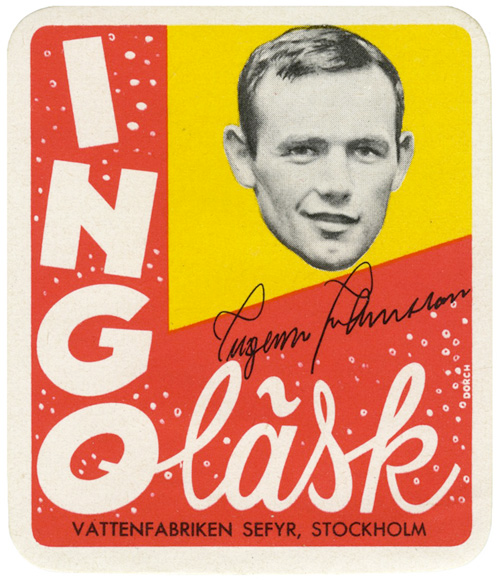
Ingo
1960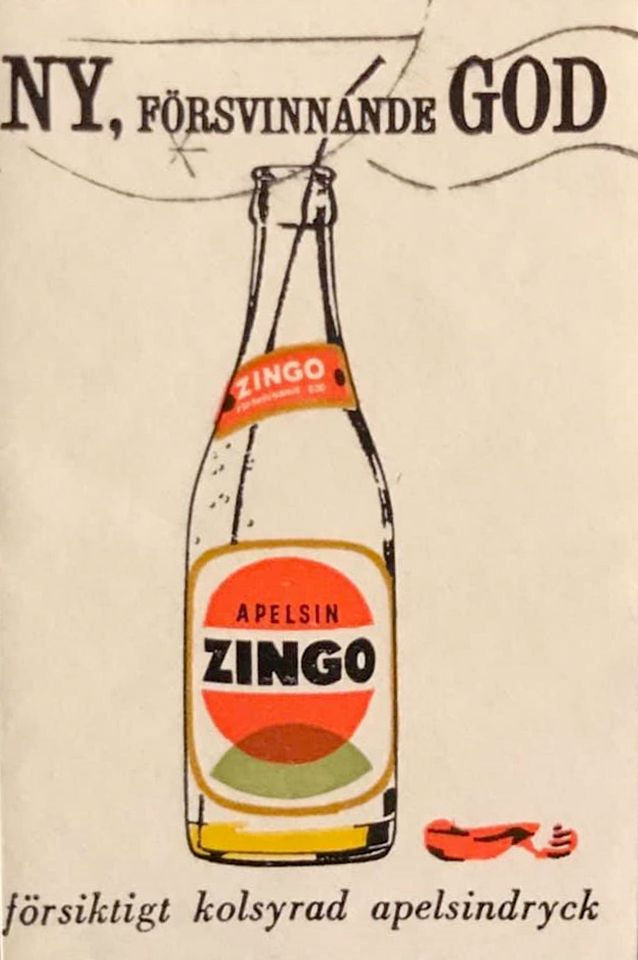
Zingo
1962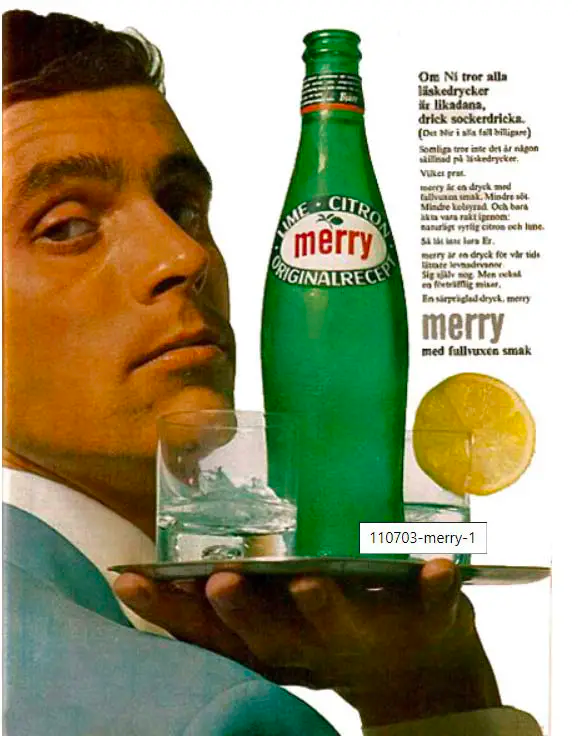
Merry
1964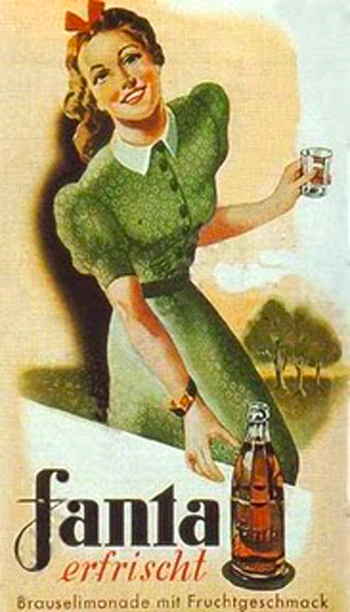
Fanta
1965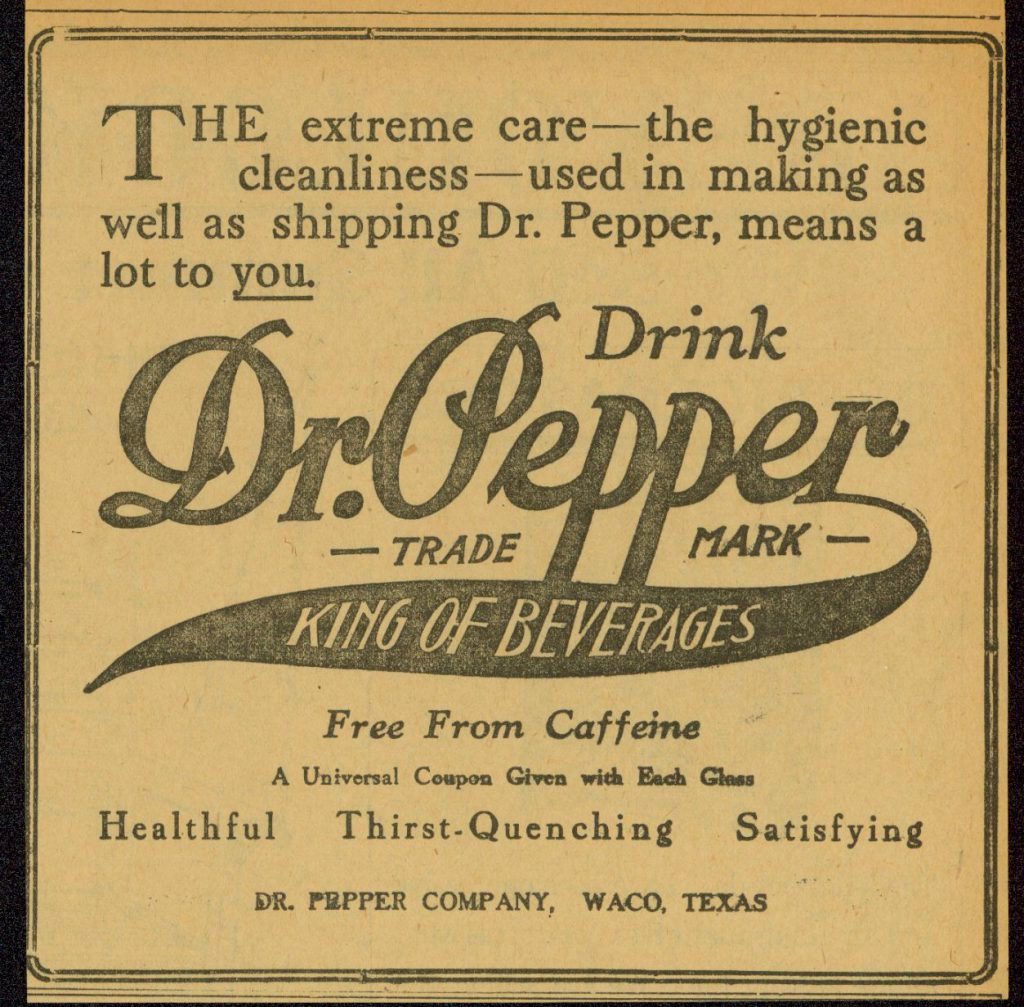
DrPepper
Dr Pepper was created by pharmacist Charles Alderton in Waco, Texas, and first served around 1885
1980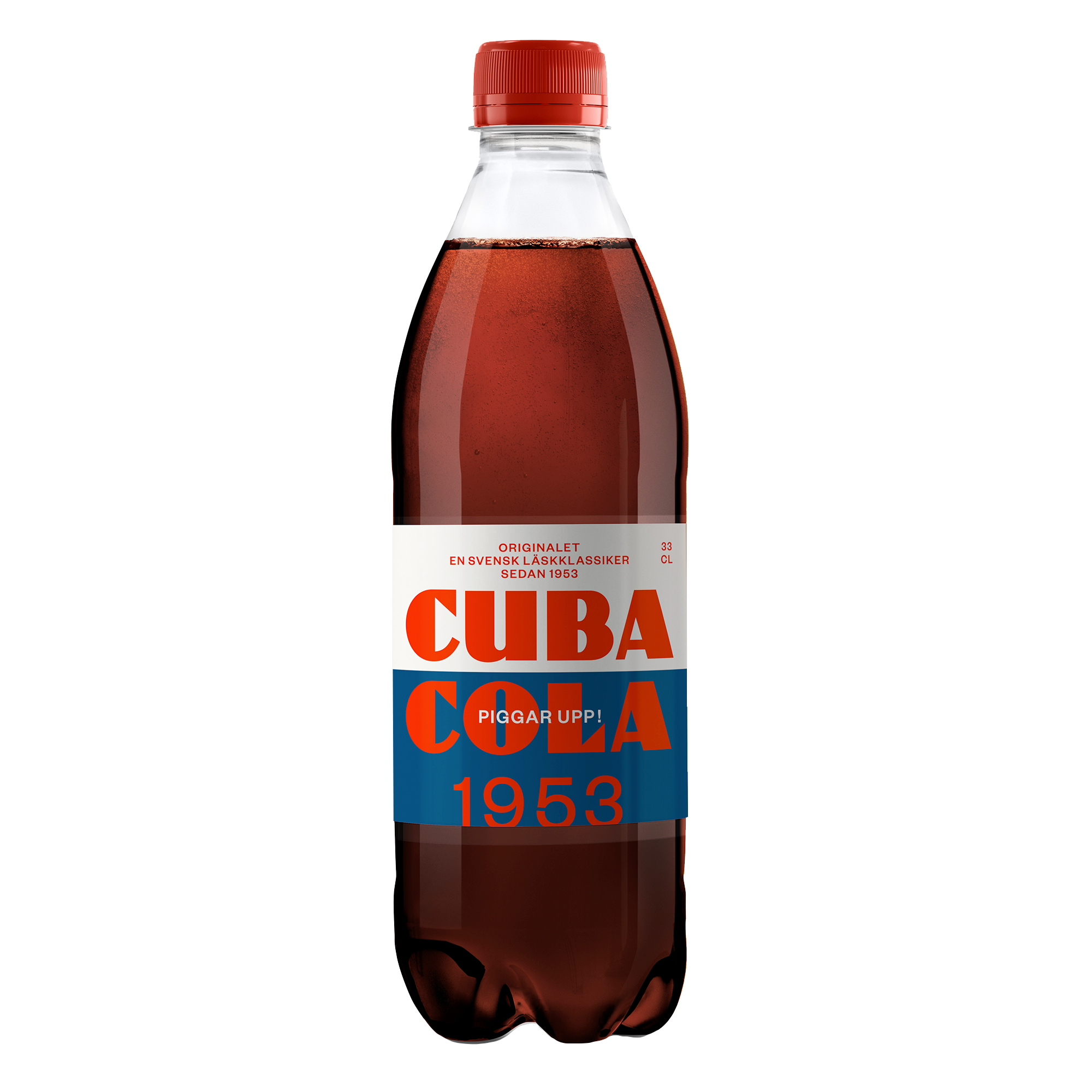
Cuba-Cola
2020Noteworthy beverages
Ramlösa
Ramlösa, technically a mineral water and not a soft drink in the traditional sense, began selling outside the well park, initially through pharmacies. However, Ramlösa Spring was inaugurated on June 17, 1707, by provincial physician Johan Jacob Döbelius.
[Quote]
Ramlösa Original has a mild and natural taste of mineral water with a slight touch of mineral salt. It is a refreshing and invigorating drink with no added sugar or other flavorings, providing a clean and simple taste of carbonated water with a subtle mineral tone.
Julmust
Swede Harry Roberts, son of soft drink manufacturer Robert Roberts, developed the initial recipe during his stay in Germany, where he studied chemistry. As a teetotaler, Roberts saw an opportunity to launch it as a non-alcoholic alternative, especially to porter and beer. Julmust was introduced in 1910.
Julmust has a deep and malty base that imparts a rounded and full flavor. The natural sweetness balances the spicy elements and malt, creating a harmonious and well-balanced taste experience. With its slightly darker color and more generous consistency than regular soft drinks, julmust has a distinctive visual and textural appeal. This balanced blend of spiciness, sweetness, and maltiness gives julmust a festive character strongly associated with Swedish Christmas traditions.
Champis
Swede Harry Roberts, son of soft drink manufacturer Robert Roberts, launched Champis in 1910 as a non-alcoholic alternative to sparkling white wine.
Champis is known for its unique and characteristic taste, often described as a blend of fruitiness and spiciness with notes of apple, grape, and cloves. It is a taste that is somewhat challenging to compare with anything else, as it is quite unique and identifiable to Champis soft drink. Many people appreciate Champis for its distinctive taste that combines sweetness, fruitiness, and a hint of spiciness.
Pommac
Pommac was created by manufacturer Anders Lindahl and is a Swedish soft drink that has been around since 1919.
The taste is often described as a combination of fruitiness and spiciness. The drink has fruity notes like apple and citrus, as well as a certain spiciness that can include vanilla and cloves. Pommac is known for being sweet and lightly carbonated, with a flavor that can be likened to a fruity and refreshing blend with subtle spicy undertones. Like many other soft drinks, the taste experience has a subjective component, and different people may perceive the taste slightly differently.
Loranga
Loranga was introduced to the Swedish market in 1934 by the company Renellas Factories, which produced the raw material in the Netherlands and sold it to Swedish breweries. In the 1940s and 1950s, the drink was one of the largest on the Swedish market, along with other classics like Pommac and Champis.
In 1961, the then Stockholm United Breweries (Pripps) stopped distributing Loranga when they launched their own brand, Zingo. The sales of Loranga consequently decreased dramatically.
Loranga now mainly appears locally in Halmstad.
Loranga tastes like a sweet and fresh orange juice, with the carbonated and refreshing character of a soft drink.
Trocadero
Trocadero was launched in the summer of 1953 by Nils-Håkan Håkansson at the Malmö company Saturnus AB. This was a time when many new soft drinks were emerging, but Trocadero stood out in the competition. With its unique taste, vibrant color, and trendy name, Trocadero quickly became a favorite among soft drink enthusiasts.
The origin of the name Trocadero is disputed. Some claim it was inspired by Place de Trocadero in Paris, while others argue that the Trocadero nightclub is the source.
Trocadero has a unique and balanced fruity taste. It has a light sweetness that is not overwhelming and hints of citrus fruits, such as orange and lemon, giving it a fresh and invigorating tone. Additionally, you can also discover subtle spicy undertones and mild carbonation that enhance the flavors. Overall, Trocadero offers a refreshing and distinctive taste experience and has been a popular soft drink in Sweden for a long time.
Cuba Cola
Launched by Saturnus in Malmö three months before Coca-Cola was introduced in Sweden in 1953. Up until then, Sweden had a ban on drinks with phosphorus and caffeine. The name was chosen to give the drink an exotic touch rather than imitating Coca-Cola.
The soft drink's taste profile has evolved from the original.
Coca-Cola
Pharmacist John Stith Pemberton manufactured the first Coca-Cola concentrate (Pemberton's French Wine Coca) on May 8, 1886, in Atlanta, Georgia.
The drink was introduced in Sweden in 1953.
The distinctive bottle design was created by the Swede Alex Samuelsson in 1915.
Coca-Cola has a well-balanced taste of sweetness and carbonation with subtle notes of caramel and spices. It has a refreshingly fizzy and invigorating taste profile with a unique combination of elements that create a recognizable and popular drink.
Pucko
Pucko is a chocolate drink that was created in 1951 by the Dane Anker Pallesen, who developed the recipe at home in his own kitchen together with his wife Ella. In Denmark, the drink was (and still is) called Cocio. It has since become a popular beverage in Sweden.
The name Pucko was inspired by the Choklad-Puck ice cream from GB, owned by Mjölkcentralen at the time.
[Quote]
Pucko has a particularly creamy and rich consistency, making it popular as an alternative to traditional hot chocolate. Its chocolatey taste tends to be sweet and rich.
Ingo
Launched in 1960 by Ingo-soft drink in Stockholm, named after the boxer Ingemar "Ingo" Johansson. Ingo-soft drink produced an extract sold to breweries that manufactured the soft drink under license.
Unfortunately, AB Ingo-soft drink went bankrupt in November 1960.
Zingo
A relaunch of the soft drink Ingo, now under the name Zingo, was introduced in the fall of 1962 by Apotekarnes.
The taste can be likened to a sweet and refreshing orange juice, but with the carbonated and effervescent character of a soft drink. Zingo is typically sweet with a distinct orange flavor, making it popular among those who enjoy fruity and effervescent beverages.
Merry
Merry, with its original flavor of lemon and lime, was a Swedish soft drink originally launched by AB Bjäre Industrier in Karpalund. It was described as a "fruit soda with a full-grown taste."
The taste is fresh and tangy with clear notes of both lemon and lime. Lemon provides a sharp and characteristic acidity with some sweetness, while the lime flavor can be more subtle, adding a softer acidity. The combined flavor of lemon and lime creates a balance between tartness and sweetness, resulting in a refreshing and appetizing taste experience. The carbonation in the fruit soda enhances the fresh sensation, making the drink invigorating and energizing. Overall, the taste is a harmonious blend of citrus freshness and sweetness, characteristic of many fruit soda varieties with lemon and lime.
Fanta
Fanta was developed in 1940 by Dr. Schetelig in Essen and was introduced to the German market in 1941. Due to the Allies breaking trade relations with Germany during World War II, the company lacked ingredients to manufacture Coca-Cola. Max Keith, the CEO of Coca-Cola Deutschland, came up with the idea to instead produce a fruit drink using the available products.
Fanta has a sweet and fruity taste with clear hints of the fruit it represents (such as orange, lemon, or other variants). The drink is carbonated and has a refreshing character with emphasized fruitiness and sweetness.
Dr Pepper
Dr Pepper was created by pharmacist Charles Alderton in Waco, Texas, and was first served in 1885.
Dr Pepper has a unique flavor profile that combines sweetness, carbonation, and a spicy cola tone. It has hints of light fruitiness resembling cherries and citrus. Overall, the flavor is complex and distinctive, with a mix of different flavor nuances that create a distinct and recognizable taste experience.